Call or Text Us Today! (844) 822-0005


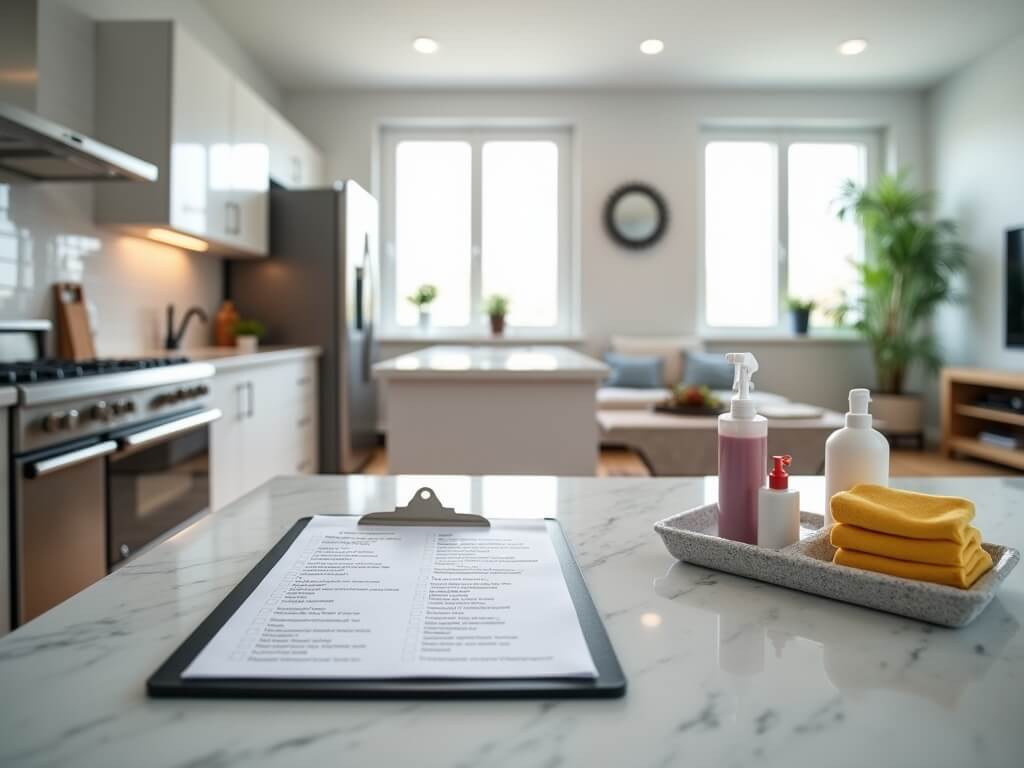
Move-out cleaning services aren’t just about wiping counters and vacuuming floors.
In Puyallup, WA—where landlords and property managers take cleanouts very seriously—they can be the difference between getting your full deposit back or losing hundreds. And I’ve seen it happen time and time again.
I once cleaned a unit for a young couple who swore they cleaned it top to bottom on their own. They skipped the oven, left crusty limescale on the faucets, and forgot to pull out the fridge. The landlord charged $250 for “deep cleaning.” Painful lesson.
Let’s break this down—what matters, what doesn’t, and how to avoid the expensive mistakes that’ll eat your refund alive.
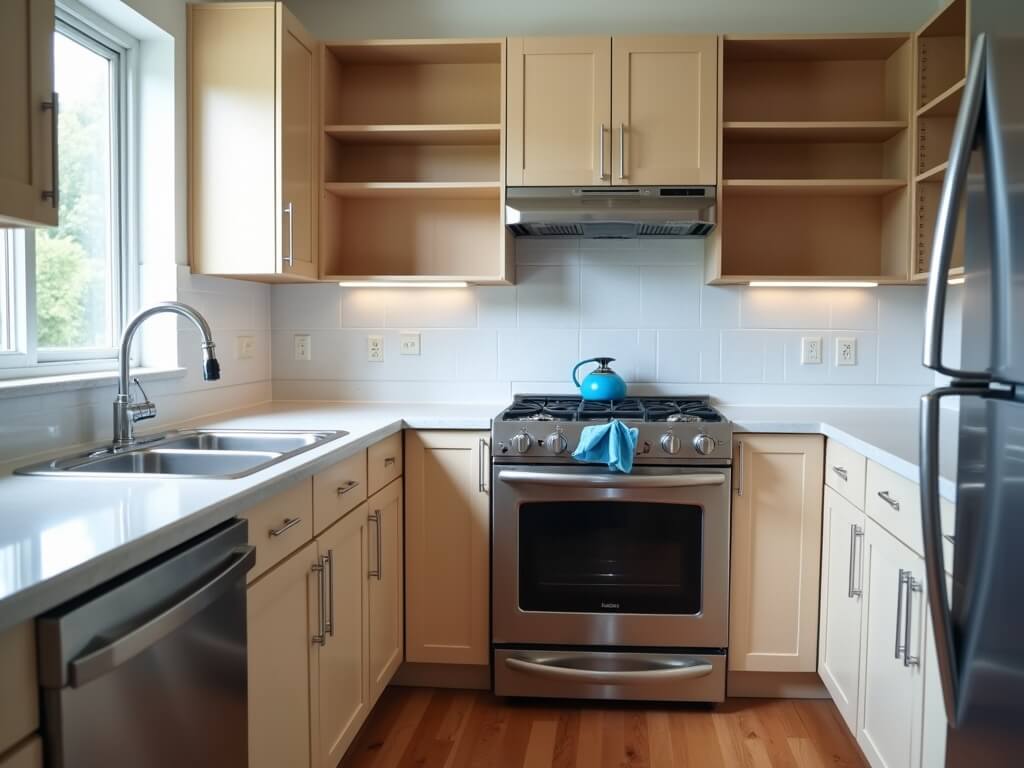
You’d think wiping down counters and taking out the trash would be enough.
Wrong.
Landlords expect the place to be returned to the condition you found it in—sometimes even cleaner.
A thorough move-out cleaning checklist usually includes:
In Puyallup, many landlords expect high standards because of local lease clauses and competitive rental markets.
And yes, that includes wiping down outlet covers and cleaning inside window tracks. I’ve cleaned homes where one overlooked shelf cost a tenant $120 in withheld deposit.
Let’s say you skip the pro and leave behind a couple of smudges and a faint carpet stain.
You might think, “That’s normal wear and tear.” But here’s what Washington law says:
Landlords can charge for:
They can’t charge you for:
But that line between “wear and tear” and “filthy” is razor-thin. Unless you have photos, receipts, or a professional cleaner’s invoice, it comes down to your landlord’s judgment—which won’t always go in your favor.
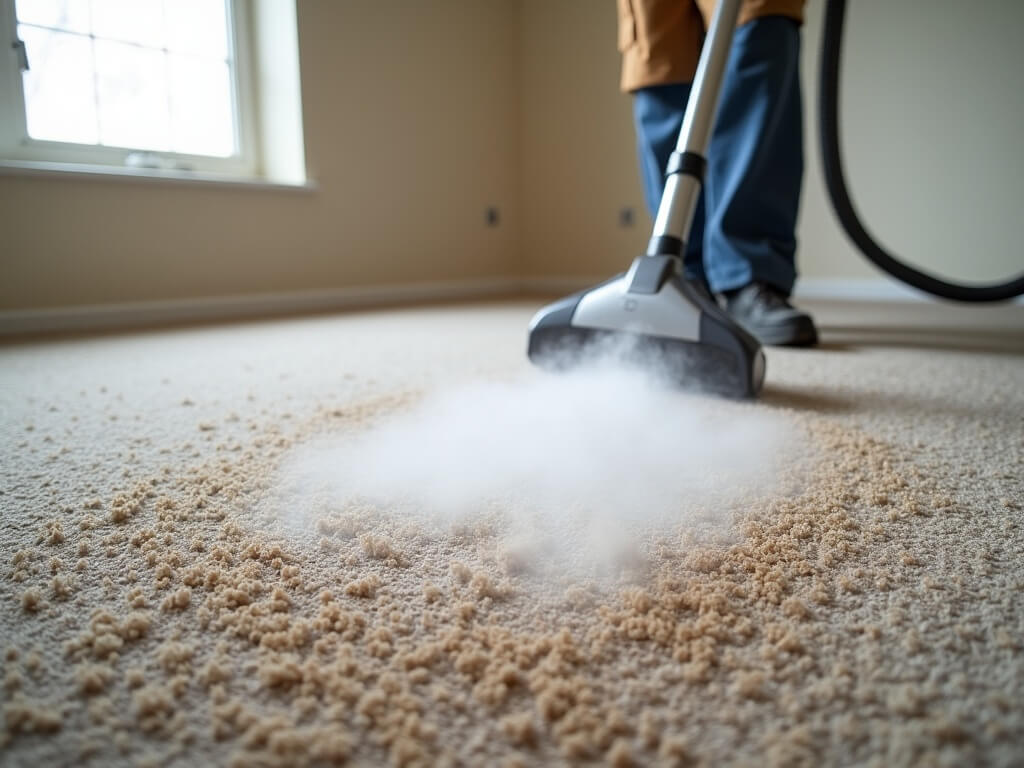
If you’re paying someone to do it right (and avoid a deduction), expect around $80 an hour.
That includes ceiling-to-floor deep cleaning, trash removal, cabinet scrubbing, and hard water stain removal—especially important in this part of Washington.
Carpet cleaning alone? $150 to $300, depending on stain severity and square footage.
If that sounds steep, compare it to a $500 deduction on your deposit. Suddenly, it feels more like insurance than a nicety.
If you’ve got the time, energy, and supplies—cleaning yourself can save you money upfront.
But most people moving out are already overwhelmed. And landlords in Puyallup have seen enough half-attempts to sniff out sub-par jobs within seconds. Trust me, I’ve met plenty of property managers here who carry clipboards and blacklights.
Here’s when to hire out:
Going DIY?
Customize your own list, follow a room-by-room process, take before/after photos, and carve out 3–4 uninterrupted hours—with the good products, not just Windex and elbow grease.
But even then, be honest with yourself. If you hate scrubbing toilets and detailing stoves, outsource it. That $80/hour might just buy your deposit back.
Under the law in Washington, your landlord must return your security deposit—or send an itemized deduction letter—within 21 days after your lease ends.
That’s not “recommended,” that’s required. If they don’t? You can legally take action to recover up to double the amount, plus attorney’s fees.
What counts as a valid deduction:
What doesn’t count:
If you think something’s off:
You know what kills most deposit disputes?
Lack of proof.
When you moved in, did you complete a walkthrough checklist? Note stains or cracked blinds?
If not, your landlord can just say, “That stain wasn’t there before.” And unless you’ve got dated photos or a verified move-in report, it’s your word against theirs.
Here’s how to avoid the trap next time:
The better your paper trail, the less wiggle room they have to keep your money.
Key takeaway: Document everything. You’ll thank yourself later.
After cleaning dozens (probably hundreds) of rentals in this area, I can tell you with certainty:
It’s not major damage that ruins most deposits.
It’s missed details.
The difference between $0 and $400 lost is usually a forgotten cabinet or that unopened box of baking soda still in the freezer.
And landlords here? They’re on it. Many now use before-and-after photo documentation on apps during inspections.
So when your bathroom faucet has hard water scale, or the freezer has stains—that cost gets passed right back to you.
We’ve looked at what goes into move-out cleaning and what landlords can legally deduct.
Now let’s talk expectations: just how clean does your place need to be to get your full deposit back without arguments—or extra charges?
(Trust me, it’s probably cleaner than you think.)
For more help, check out our thorough deep cleaning services tailored for rental units: https://www.sierrastoptobottomcleaning.com/services/deep-cleaning
Here’s the truth nobody tells you straight: landlords don’t want “pretty good.”
They want “move-in ready.” And in a competitive rental market like Puyallup, that bar is higher than you think.
I’ve seen units get dinged hundreds over things the tenant never saw coming—like dust in the window tracks or toothpaste splatter under the bathroom mirror.
Here’s what “clean enough” really means when it comes to getting back your full deposit:
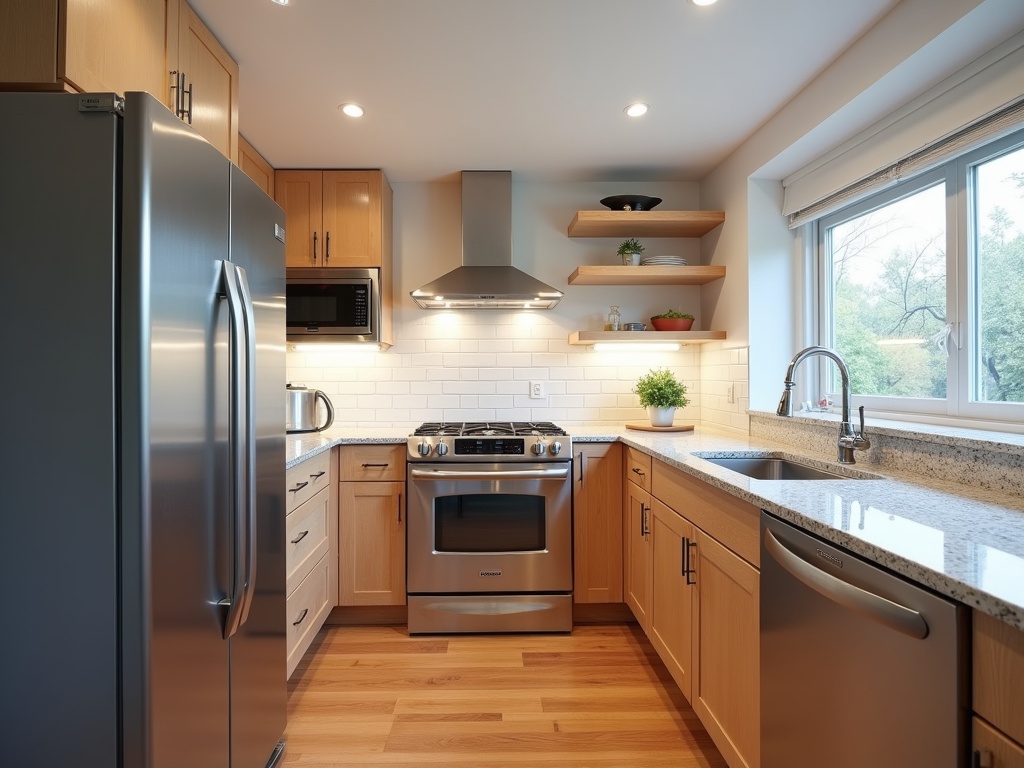
Bottom line: the cleaner your place looks and smells, the fewer reasons your landlord has to open up your deposit like a shopping fund.
And if they have to hire someone after you leave to finish the job? Expect to pay their rate.
I once had a client lose $375 over “grimy” cabinets and carpet smell. They thought their air freshener handled it. It didn’t.
Pro Tip: If you smell anything odd in the unit, your landlord will too—and they won’t pay to fix it out of pocket.
This is one of those moments where it pays to think like an inspector. Walk through the space like you’re buying the place tomorrow.
Still have doubts?
Pretend the person renting it next is your mother-in-law.
Would she think it’s spotless?
Most renters look at their lease like it’s just rent and pet policies.
Big mistake.
Buried somewhere in those pages is usually a line that says something like: “Premises must be returned in clean and rentable condition upon termination.”
Translation: if it’s dirty, you pay.
Your lease might also require:
If your lease doesn’t say you must “professionally clean” the carpets, you don’t have to.
But if it does? Not doing it gives the landlord full permission to hire someone—and charge you for it.
Check for any addendums too. Sometimes there’s a separate cleaning agreement.
Also — that initial move-in checklist?
Gold.
It’s the only thing standing between you and unfair deductions for stuff that was already worn when you got there.
Review it before moving out to be sure you’re not held responsible for damage or dirt you didn’t cause.
If you didn’t get one at move-in, good idea to request it early next time—or at least document it yourself.
No checklist = more guesswork (and usually less money back).
There’s a difference between cleaning like a neat person and cleaning like a landlord’s inspector.
Start here:
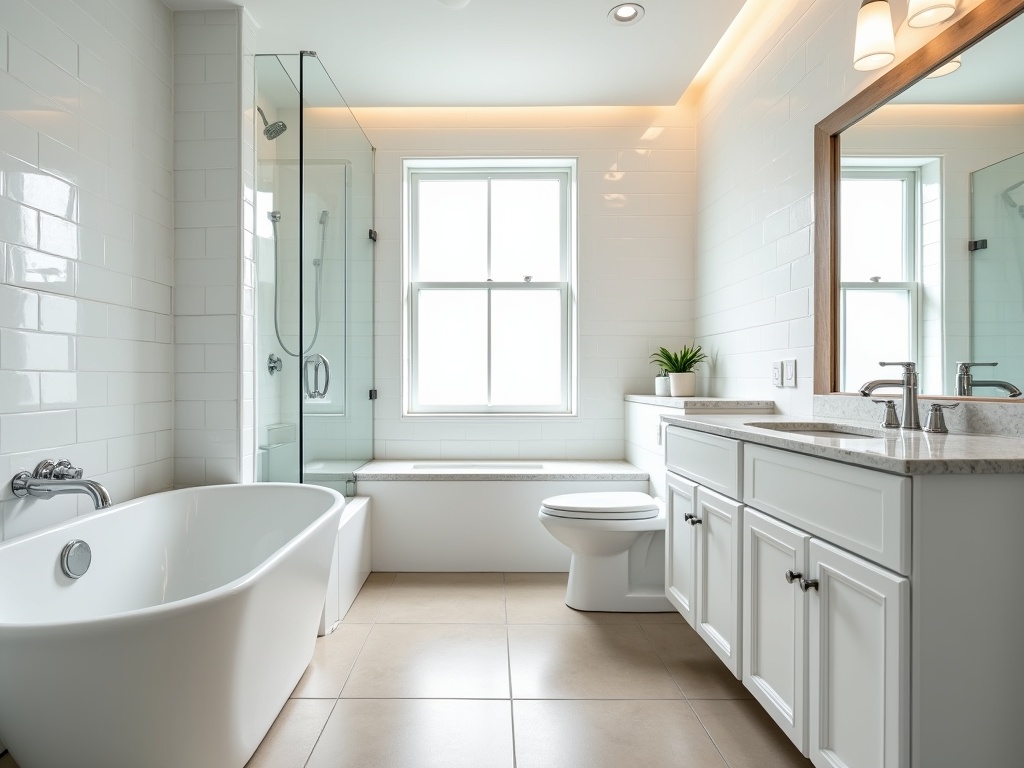
Don’t forget to take photos of everything afterward.
Time-stamped proof is your best friend in any deposit dispute.
If you left your place spotless and still got slapped with cleaning fees, you’re not out of luck.
In Washington:
Didn’t get your deposit? Or no list?
You can:
Make sure you’ve got:
The law’s on your side—if you have evidence.
I had one tenant email me months later, thanking me for the “before” pics we snapped after cleaning.
Turns out, the landlord tried to deduct $200 for “soap scum”—but our timestamped photos showed spotless tiles and polished faucets.
He got his full deposit back.
Learn more about your rights with these resources: Washington Security Deposit Laws: https://www.hemlane.com/resources/washington-security-deposit-laws/ Tenant Rights and Security Deposit FAQ: https://tenantsunion.org/rights/deposits-faq
It’s not just you.
Landlords across Puyallup and the Puget Sound area are stepping up expectations—and enforcement.
Why?
That means you’re dealing with more detailed inspections and fewer second chances.
You’ll also see more eco-conscious cleaning requirements.
Some leases now request “green-certified” products for final cleaning, especially in newer properties.
And if you want to stand out in applications? Mentioning you used a professional company for your last move-out doesn’t hurt.
Landlords remember names—and clean tenants.
By now, you know the truth—it’s not just about being tidy.
It’s about being thorough.
Here’s what consistently works for tenants who get 100% of their deposit back:
Done right, you can walk away clean—bank account intact.
But ignore just a few square feet… and it could cost $400 or more.
If you’re prepping to move and want it handled start-to-finish, give us a call at 253-449-6100 or email sierrastoptobottomcleaning@gmail.com
We’ve helped hundreds of renters in Puyallup get their money back—and we know exactly what landlords look for.
Because at the end of the day, move-out cleaning in Puyallup isn’t about being neat.
It’s about being deposit-proof.
Explore more services to secure your full refund:
