Call or Text Us Today! (844) 822-0005


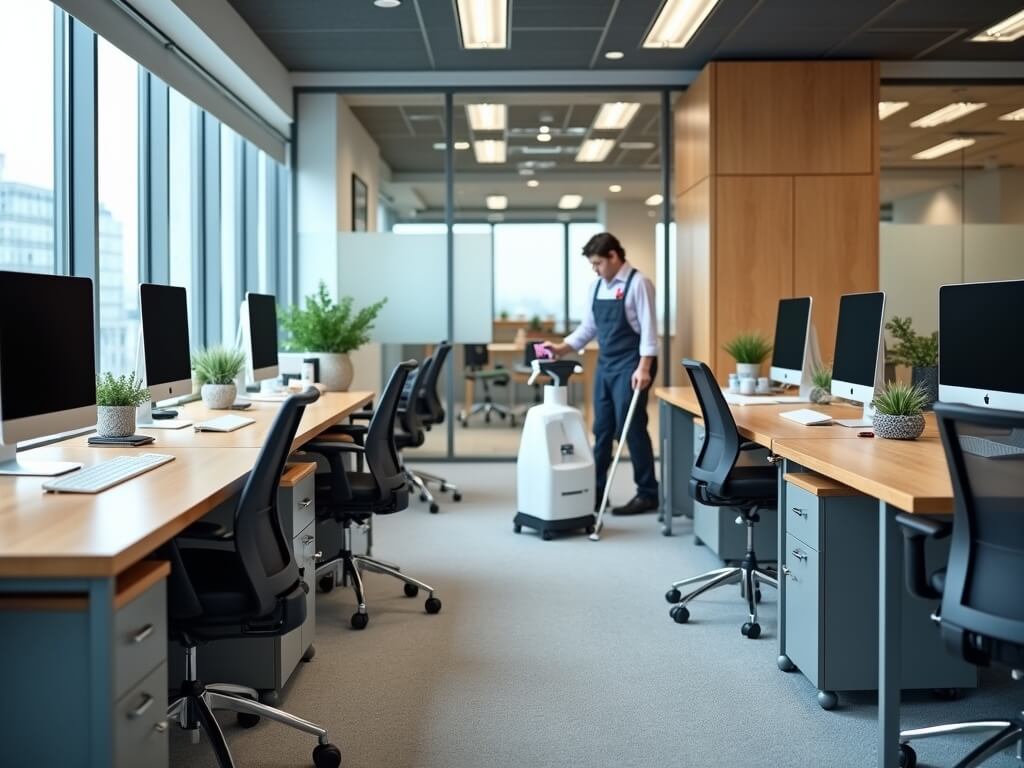
When it comes to small office cleaning, let's be honest—most business owners don’t think about it until something starts to smell off or someone sends out a passive-aggressive email about the breakroom sink.
But here’s the truth: a clean office isn’t a bonus. It’s a baseline.
Workplace hygiene directly impacts employee health, company reputation, and legal compliance. In fact, offices that stick to high cleanliness standards report up to a 20% drop in employee sick days. That’s not just good for morale—it’s good for the bottom line.
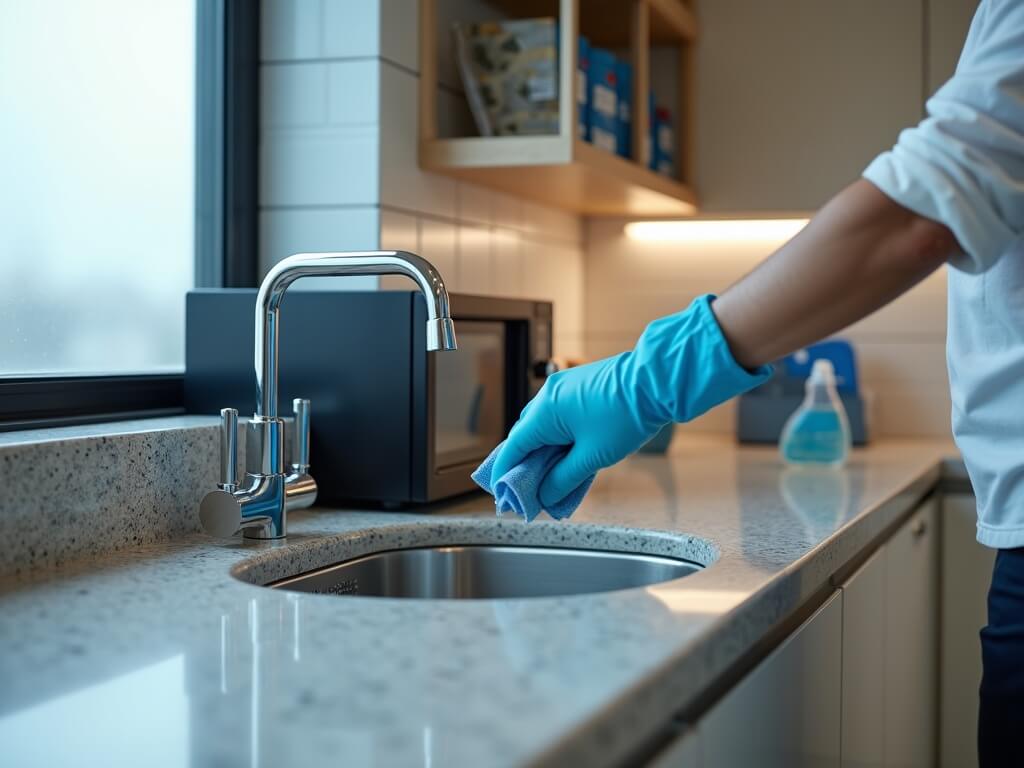
If employees are surrounded by dust, dirty restrooms, and sticky keyboards, their focus drops. So does retention—because no one wants to work in a space that feels neglected.
Here’s what proper small office cleaning actually does:
Quick story—last fall, I walked into a tech startup’s office for an estimate. Great logo, fancy espresso machine... but the bathroom was a horror story. Soap dispenser empty. Toilet paper gone. Trash cans were overflowing. The first thing I thought? If they treat their space like that, how are they treating their clients’ data?
The takeaway: Dirty offices make loud impressions—and not in your favor.
There’s a big difference between wiping down a counter and properly cleaning a space.
Effective office cleaning should hit every zone where bacteria builds up, where people interact, and where food or trash accumulates.
Here’s the usual breakdown:
If your current setup only involves someone vacuuming and running a Lysol wipe over a table, you’re missing the real value.
Post-pandemic, cleaning expectations leveled up.
You’re not only cleaning for appearance anymore—hygiene and disinfection are part of corporate liability now.
Here’s what’s trending:
Bonus tip: Always clean before disinfecting. Dirt can block disinfectants from working effectively, making them pretty much useless. Basic? Sure. But you’d be surprised how many people skip this.
Key takeaway: Daily surface-level cleaning isn’t enough anymore. You’ve got to target both visible dirt and invisible pathogens with a real game plan.
It doesn’t matter if you work in a 500-square-foot coworking setup or a full leased suite—business hygiene standards apply.
And trust me, it’s not just a corporate checklist. It’s about protecting your team and keeping visitors safe.
From shared elevator buttons to communal keyboards, these are germ superhighways.
Clean them multiple times daily, especially:
Dirty bathrooms aren’t just gross—they’re OSHA red flags.
Here’s the baseline:
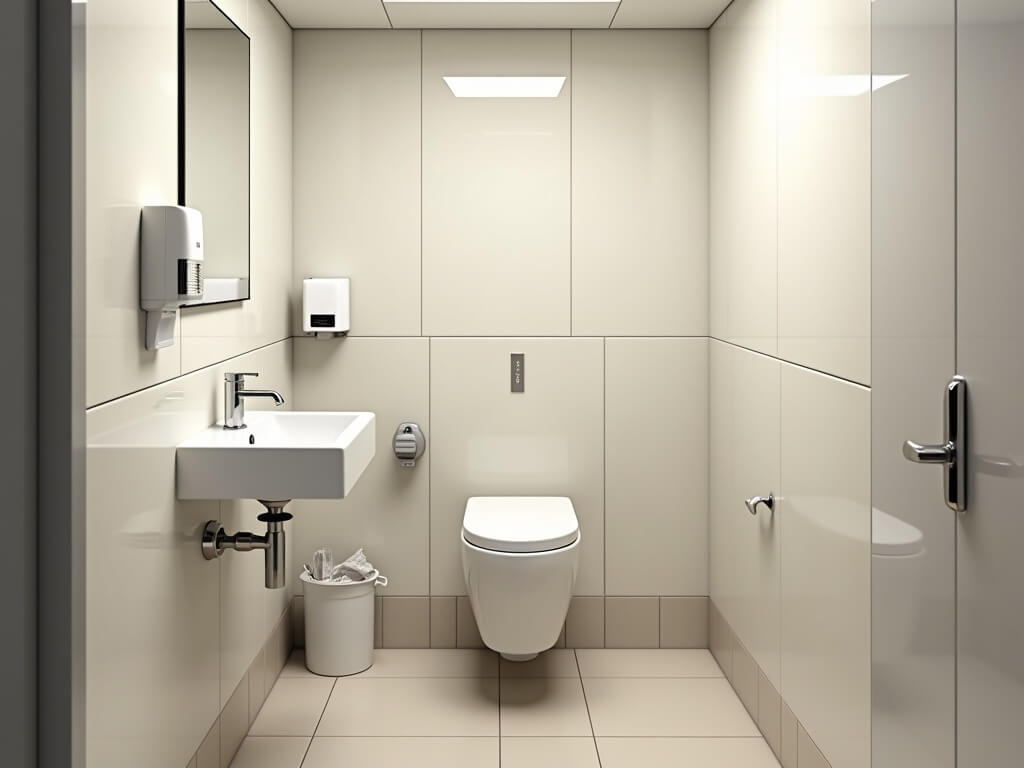
One of the worst calls I ever got was from an office whose bathroom had flooded because the trash bin was full and blocked the stall drainage. Cleaning had been “done,” but no one actually checked. That kind of chaos is 100% avoidable with the right checklist.
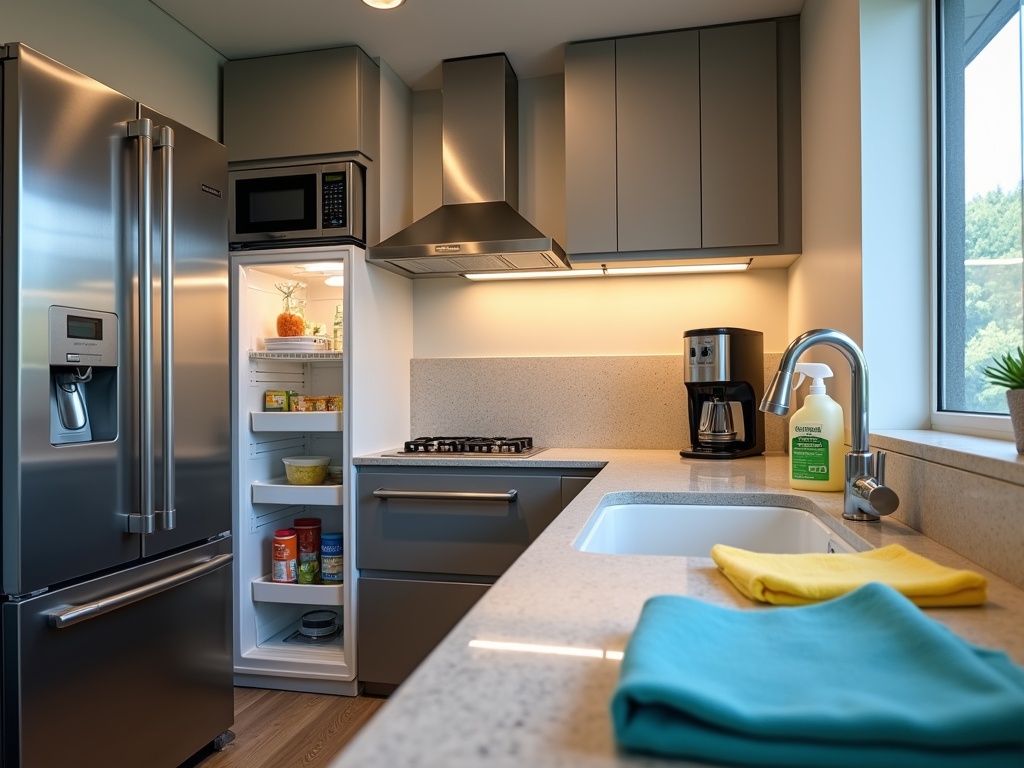
Old food and nasty microwave handles spark illness faster than you’d think.
Some rules:
Want to make a solid first impression? Clean the spots customers see first.
Make sure:
Bottom line: There’s no point in scrubbing a back office if the lobby screams “we gave up.”
Here’s what we build into every professional-level hygiene plan:
Pro insight: Allowing employees to contribute (not just custodians) builds a culture of hygiene. People will rise to the standard you set.
Key takeaway: Cleanliness shouldn't live in one employee’s inbox—it should live in your company DNA.
One of the top questions I get: “Do OSHA rules actually apply to small offices?”
Yep.
If you employ anyone—even just one person—you’re required to comply with OSHA’s sanitation and workplace cleanliness regulations.
You don’t need to be a warehouse or factory to be regulated.
Every office must:
Offices must ensure:
If your team uses any cleaning agents—bleach, sprays, disinfectants—you need to:
This one’s still here.
Businesses are expected to:
Not doing this isn’t just lazy—it could be viewed as unsafe labor conditions if someone falls ill and files a claim.
Crucial Takeaway: OSHA doesn’t care how big your business is. If someone gets sick due to unsanitary conditions, you’re on the hook.
Let’s pause here.
We’ve tackled the unspoken truth about small office cleaning, why hygiene is bigger than aesthetics, and the OSHA rules people usually ignore—until someone files a complaint.
Now, let’s shift gears and dive into what actually gets results day to day: best practices, checklists, frequency tactics, and how to stay compliant without breaking your budget or flow. Keep reading.
Explore our commercial cleaning services and professional cleaning services to keep your office spotless, safe, and compliant.
I can’t count how many times I’ve walked into a small business where they “clean daily,” but when I ask what that means, it’s vague at best.
Here’s the truth: if you don’t outline what gets cleaned, when, and how—then it probably doesn’t.
Cleaning isn’t about reacting to mess. It’s about having clear, consistent systems everyone can follow.
Let’s get into the actual mechanics of keeping your office in top-tier shape without burning out your team (or your wallet).
Every office should run on a layered cleaning frequency plan.
Think of it like a workout routine: daily maintenance, weekly strength training, and monthly deep dives.
Daily baseline (non-negotiables):
Weekly essentials:
Deep cleaning, every 30–60 days:
Key takeaway: Have a checklist for each frequency level—and assign it. A verbal “we’ll get to it” isn’t a cleaning strategy, it’s how biohazards happen.
If you’re cleaning your office with just a half-dry rag and some dollar store spray, take a pause.
Tools matter.
Here’s what a basic pro-level toolkit should include:
And remember: PPE isn’t optional.
Key takeaway: Good tools don’t just clean better—they protect people and reduce rework.
A lot of small business owners think hiring a cleaning service is only for big offices or law firms. Nope.
Hiring a pro ensures compliance with OSHA Workplace Sanitation Standards, hygiene best practices, and liability protection.
Professional cleaners bring:
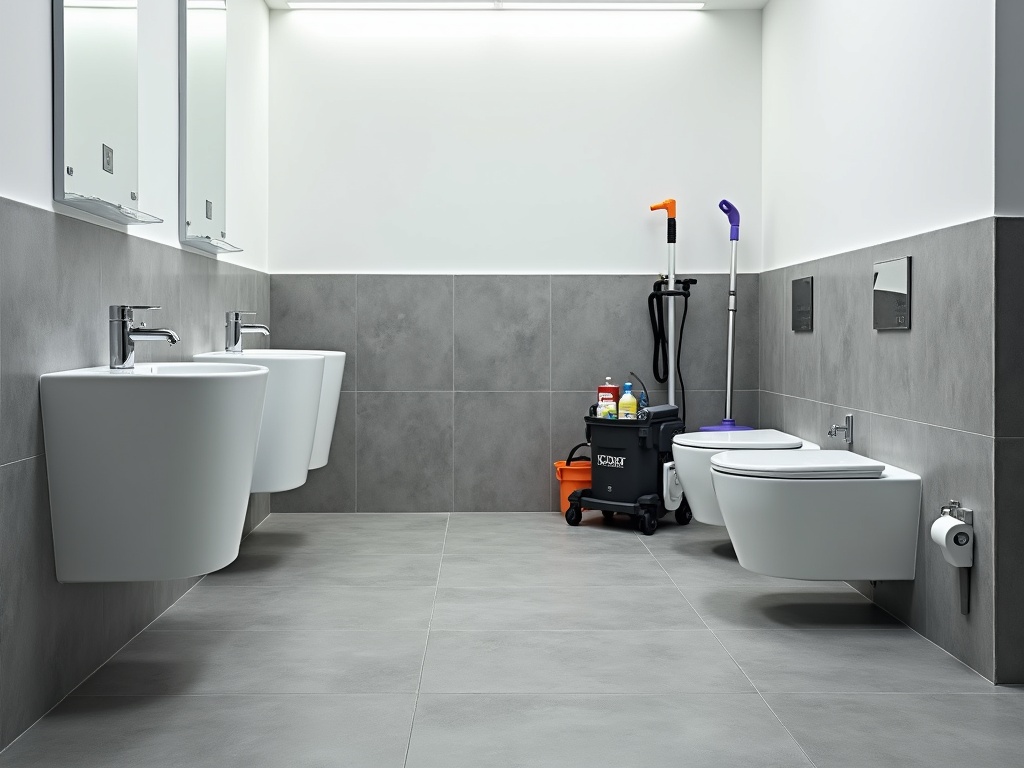
Working with a professional cleaning service means you stop worrying about whether the intern remembered to mop behind the trash bin.
Key takeaway: If you have employees, clients, or open beverages anywhere near office equipment… professional help is worth every cent.
Even with a solid checklist, offices run into three recurring cleaning fails:
Quick Fix:
Key takeaway: Systems beat good intentions—especially when it comes to hygiene.
What if my office is part of a shared workspace?
Are eco-friendly cleaning products compliant?
If they’re EPA-approved—yes. Check the label against the EPA List N. Bonus: They improve air quality and reduce allergic reactions while keeping you OSHA-compliant.
How do I know if we’re meeting OSHA cleaning regulations?
Do an internal audit every quarter:
Want to automate this? Ask your cleaner to build a digital compliance checklist—many include this in onboarding.
Why does all this cleaning talk even matter?
Because cleaning impacts health outcomes, brand trust, and regulatory protection. Wait for a complaint? You’re already too late.
Here’s what’s coming next:
Sound far off? Maybe. But five years ago, door handle sanitizing wasn’t a thing. Now it’s standard.
Cleaning is never just cleaning.
It’s about:
Whether handling it in-house or hiring deep cleaning services, make your plan more than wiping a countertop.
Make it intentional. Documented. Part of your culture.
If you’re in the area and want help—schedule a walkthrough or ask your toughest questions.
We’re transparent, we charge $80/hour, and we know small office cleaning challenges inside and out.
Reach out at 253-449-6100 or sierrastoptobottomcleaning@gmail.com.
Because cleaning isn’t just about dust—it’s mission-critical.
